Research
Research areas
4D Flow MRI Sequence Development and Analysis
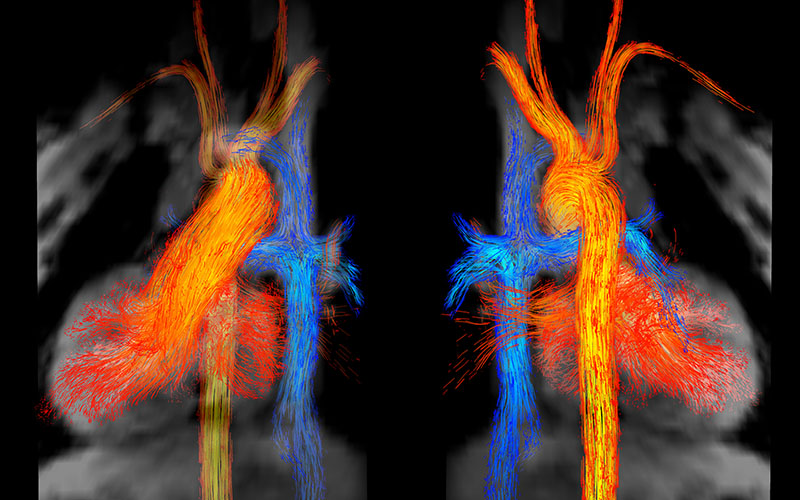
4D Flow MRI
Time-resolved three-dimensional blood-flow imaging remains one of the central methods areas.
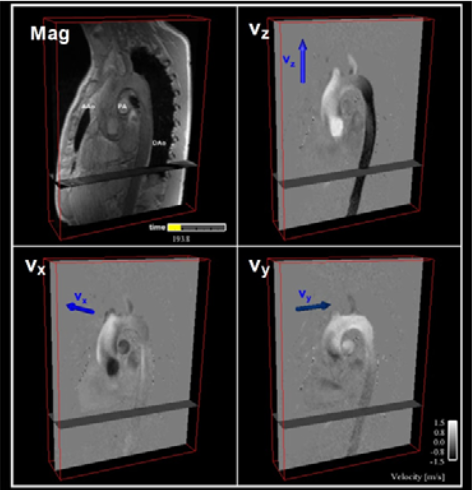
MRI Pulse Sequence Development
Acquisition design, acceleration, and flow-sensitive MRI methods form a distinct technical area.
Echocardiography and 4D Flow MRI
Echocardiography and 4D flow MRI provide complementary hemodynamic measurements.
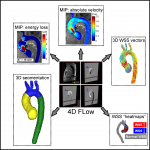
Advanced Analysis
Advanced analysis turns complex MRI datasets into quantitative markers and reusable workflows.
AI, Automation, and Hemodynamic Modeling
AI-Driven 4D Flow Automation
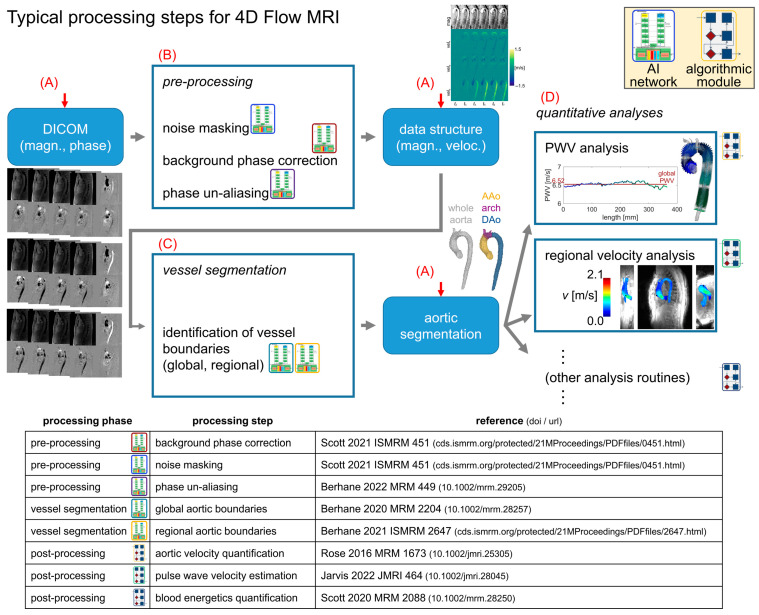
Automated 4D flow workflows cover preprocessing, segmentation, and hemodynamic analysis.
Automated Segmentation and Quantification
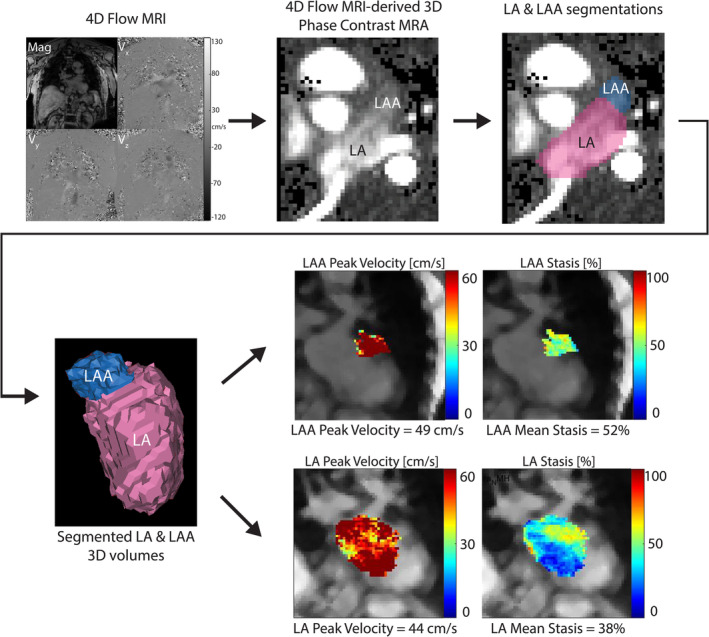
Automated segmentation supports atrial-flow quantification and intracranial vessel analysis.
AI for Accelerated Cardiac MRI
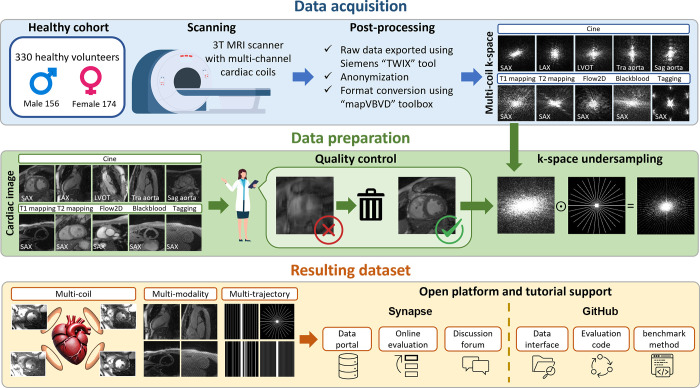
Machine-learning reconstruction, benchmarking, and quantitative tool evaluation extend the cardiac MRI methods program.
Physics-Informed Hemodynamic AI
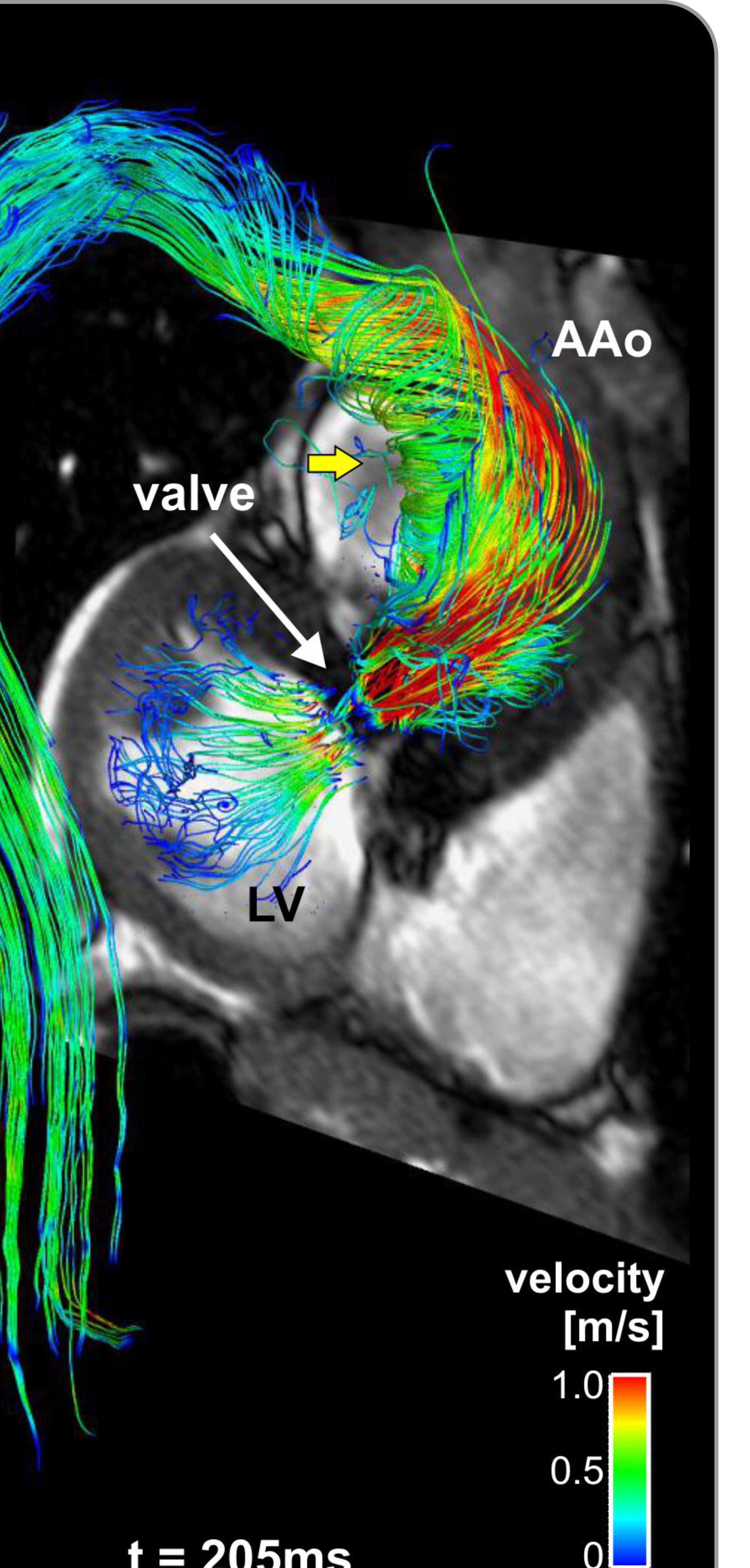
Physics-informed modeling links anatomy, flow data, and hemodynamic prediction.
Cardiovascular, valve, and pulmonary applications
Heart Failure and Cardiac Transplant
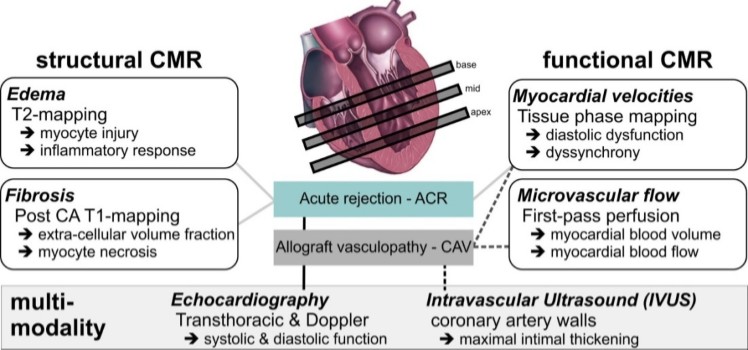
Heart failure and transplant imaging remain a dedicated clinical application area.
Cardiac Function
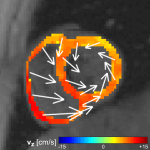
Cardiac function research centers on ventricular performance, structure-function relationships, and MRI-based functional assessment.

Atrial Fibrillation
Atrial fibrillation research connects atrial structure, flow, rhythm, valve disease, and brain-risk questions.
Left Atrial and Appendage Hemodynamics
Left-atrial and appendage flow research covers atrial fibrillation, stasis, and brain-related risk markers.
Congenital Heart Disease
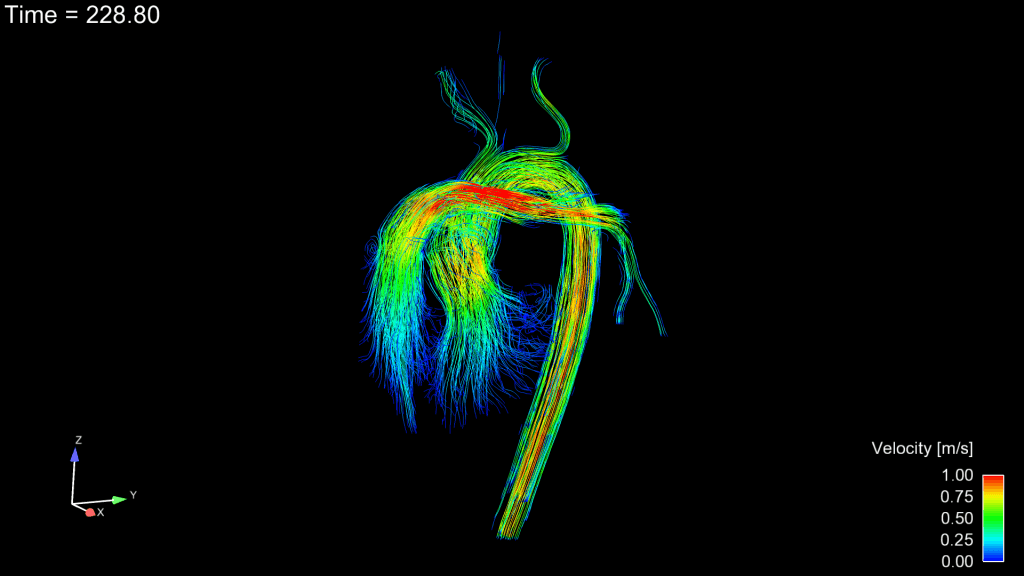
Congenital cardiovascular imaging links 4D flow methods with pediatric and life-course cardiac questions.

Valve Disease and Bicuspid Aortic Valve
Valve disease and bicuspid aortic valve are central themes in clinical 4D flow work.
Direct Mitral-Regurgitation Flow Quantification
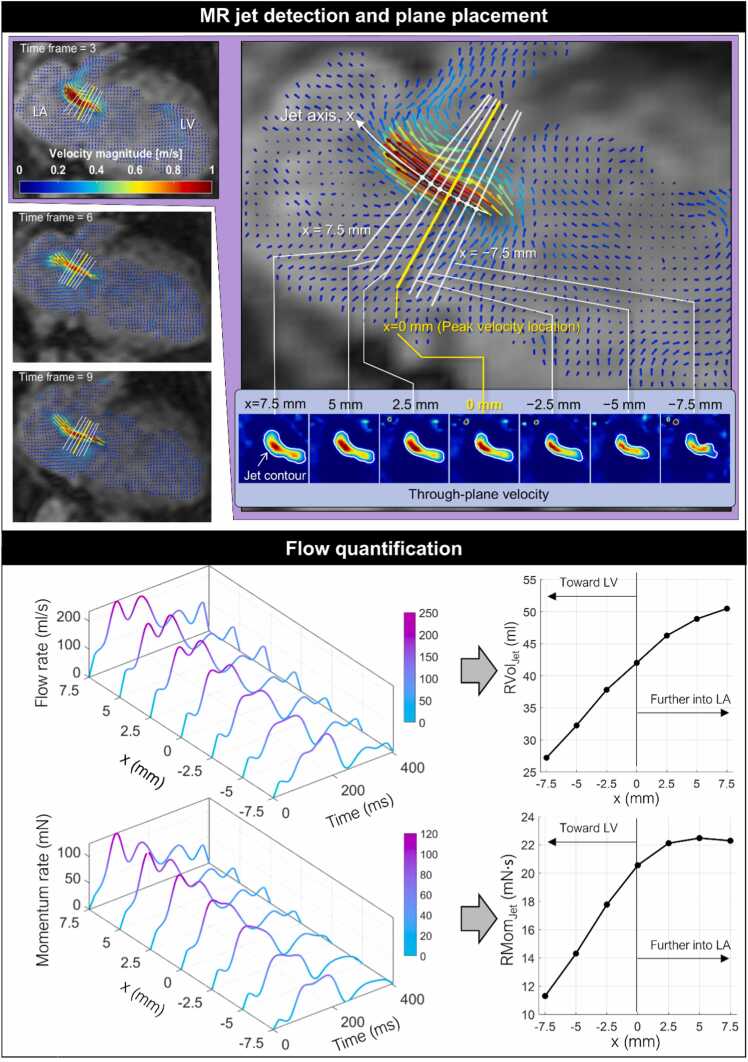
Direct mitral-regurgitation quantification uses 4D flow cardiovascular MRI for valve-focused hemodynamic assessment.
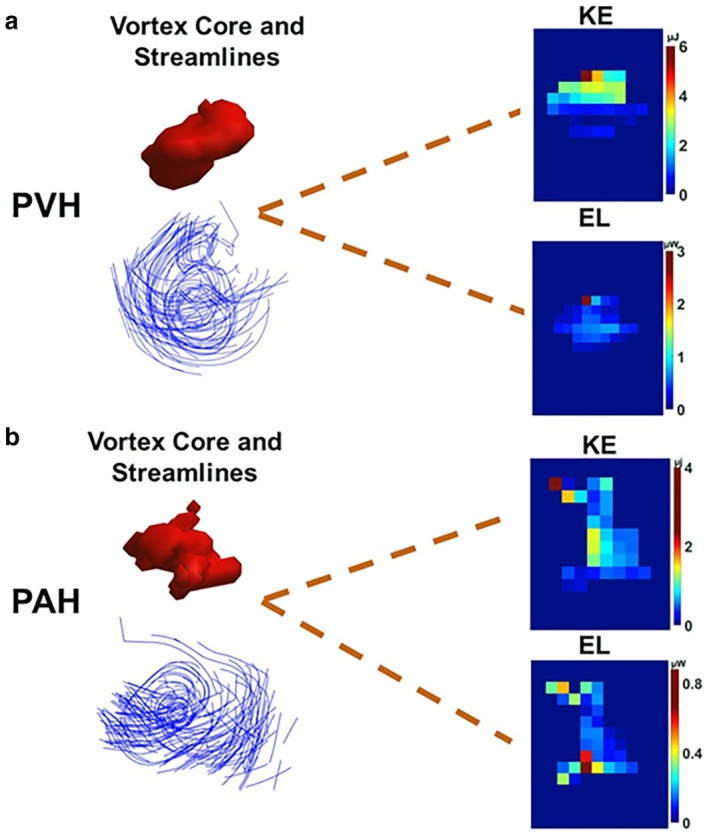
Pulmonary Hemodynamics and Vortex Energetics
Pulmonary hemodynamics research uses 4D flow MRI to study pulmonary hypertension and vortex energetics.
Abdominal MRI
Abdominal MRI adds another translational application for MRI methods.
Neurovascular and brain imaging
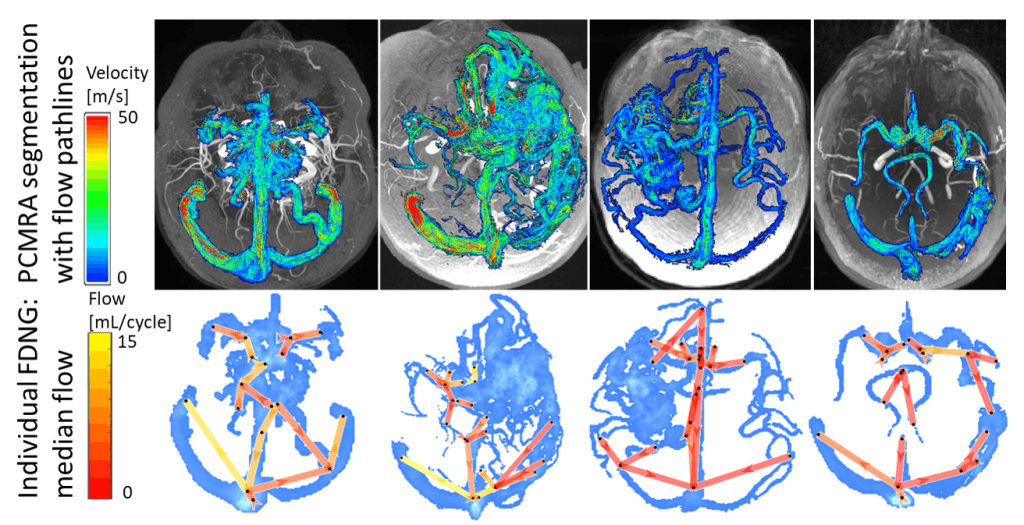
Cerebrovascular 4D Flow MRI
4D flow methods extend into intracranial and cerebrovascular imaging.
Brain Aging and 4D Flow
Brain aging and flow-sensitive neuroimaging are part of the translational MRI program.
Cardiac Biomarkers and Intervention Planning
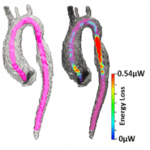
4D MRI Virtual Catheter (vCath)
The vCath project uses 4D MRI to estimate intra-aortic hemodynamics noninvasively.
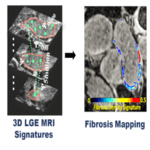
Precise Fibrosis Signatures
MRI-guided fibrosis mapping combines tissue characterization, computational analysis, and intervention-relevant cardiac MRI readouts.
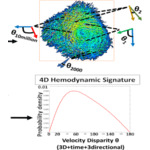
Hyper-dimensional 4D Flow Signatures
Hyper-dimensional 4D flow signatures characterize composite blood-flow dynamics.
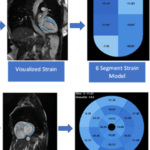
Cardiac Mechanics by MRI Strain
MRI strain analysis supports cardiac mechanics and reproducibility research.